The Power of Creative E-Commerce Photography
Boost e-commerce sales with creative product photography — lifestyle shots, dynamic backgrounds, and lighting tips that convert.
PHOTOGRAPHY SERVICES
Written by Gagan Gujral
7/31/20266 min read
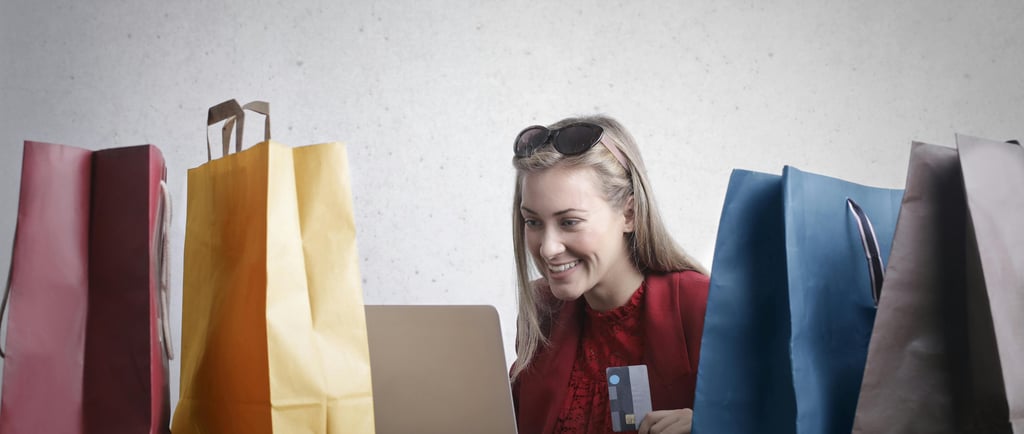

In the competitive e-commerce landscape, creative product photography isn't a nice-to-have — it's what decides whether a shopper stops scrolling or keeps going. Whether you're selling on Amazon, Etsy, or your own Shopify store, the products that convert are almost never the ones with the best specs. They're the ones with the best photos.
Here's how to use photography as a real growth lever, not just a listing requirement.
Why Photography Is Your First (and Fastest) Sales Pitch
When buyers browse Amazon or Etsy, they're scanning dozens of near-identical listings in seconds. There's no salesperson, no product demo, no chance to explain why your item is better — just a thumbnail competing for a fraction of a second of attention. In that environment, a well-crafted photo has to do the job a shop assistant would do in person: capture attention, signal quality, and build trust, all in a single glance.
This is why sellers who invest in photography consistently outperform sellers who invest only in the product itself. The image is the pitch.
Ditch the Plain White Background
Most sellers default to the standard white backdrop because it's safe and Amazon-compliant for the main image. But for secondary images and lifestyle shots, a thoughtful background can do a lot of heavy lifting:
A rustic wooden surface complements handcrafted or artisanal items
A minimalist, sleek backdrop suits modern tech gadgets and suggests precision
A living room or lifestyle setting makes home décor feel aspirational rather than clinical
The goal isn't decoration — it's context. A background that hints at where and how the product will be used helps a buyer picture it in their own space before they've even read the description.
Use Lifestyle Photography to Build an Emotional Connection
This matters especially on platforms like Etsy, where buyers are drawn to authenticity and story as much as the product itself. Showing an item in use — a piece of jewelry worn in a stylish outdoor setting, a throw blanket draped over a couch — does something a plain product shot can't: it lets the customer see themselves owning it.
Lifestyle shots move a listing from "here is an object" to "here is how your life looks with this object." That shift is often the difference between a browse and a purchase.
Show Every Angle — and Every Detail
Online shoppers can't touch the product, so they lean entirely on your images to judge quality. This is where multi-angle and close-up photography earns its keep:
Zoom in on stitching, seams, or joinery to show craftsmanship
Highlight texture on ceramics, fabrics, or finishes
Offer a 360° view where possible, especially for higher-priced items
The more visual information you give a buyer, the less uncertainty stands between them and "Add to Cart." Missing angles don't just look incomplete — they quietly raise doubt.
Let Lighting and Color Do Some Persuading
Bright, well-lit images with accurate, vibrant color naturally draw the eye and tend to improve click-through rates in search and category pages. Beyond just visibility, lighting sets mood: warm tones can make a product feel inviting or luxurious, while crisp, even lighting reads as clean and professional.
Shoot near a window with diffused natural light (avoid direct sun — it creates harsh shadows)
Use a 5500K daylight-balanced bulb if shooting indoors without natural light
Bounce light with a white foam board to fill in shadows instead of using a second harsh light source
Don't be afraid of shadow and reflection either — used deliberately, they add depth and make a flat product photo feel three-dimensional and considered, rather than like a snapshot.
Make the Unique Features Impossible to Miss
If your product has something that sets it apart — eco-friendly packaging, a handcrafted detail, a clever mechanism — your photography should put it front and center, not bury it in a wide shot. A close-up on sustainable materials or a call-out shot of intricate stitching does more to justify your price point than any bullet point in the description.
Platform Matters: Amazon vs. Etsy vs. Your Own Store
Amazon: Decisions happen in seconds. Clean, high-quality, technically compliant photos are what earn the click among hundreds of similar listings.
Etsy: Buyers reward aesthetic and story. Unique, well-shot images are more likely to get favorited, shared, and added to cart — they're browsing for a feeling, not just a product.
Your own store (Shopify, WooCommerce, etc.): You have full creative control and no marketplace restrictions, which means your photography can carry your entire brand identity — not just the product.
Across all three, photography is doing double duty: building trust and setting the right expectations before the sale.
How Many Photos Should an E-commerce Product Listing Have?
The ideal number of product photos depends on the platform, but in most cases 7 to 10 high-quality images provide enough visual information to help shoppers make a buying decision. Include a primary product image, multiple angles, close-up detail shots, size or scale references, and at least one lifestyle image showing the product in use.
The 6-shot minimum for any product listing:
Front-facing hero shot on a clean background
45-degree angle shot showing depth
Close-up detail shot (texture, stitching, material)
Scale reference shot (product next to a hand, coin, or common object)
In-use / lifestyle shot
Packaging shot (especially important if packaging is part of the brand story)
More images reduce uncertainty, answer common buyer questions, and often improve conversion rates because customers can better evaluate the product before purchasing.
Frequently Asked Questions About E-commerce Product Photography
A quick guide to the questions business owners and online sellers ask most often before planning a product photoshoot
What Is the Best Background for Product Photography?
The best background depends on the purpose of the image. A plain white background is essential for the primary product image on marketplaces like Amazon because it keeps the focus on the product and meets platform requirements. For secondary images, contextual backgrounds work better because they help shoppers imagine how the product fits into everyday life.
For example:
Rustic wooden surfaces suit handmade and artisanal products.
Clean minimalist backgrounds complement technology and modern accessories.
Home interiors work well for furniture, décor, and kitchen products.
Natural outdoor settings enhance lifestyle and fashion photography.
The goal isn't decoration—it's helping buyers understand where and how the product will be used.
Are Lifestyle Photos Better Than Studio Product Photos?
Lifestyle and studio photography serve different purposes, and the highest-converting listings typically use both.
Studio photographs present the product clearly, showing its shape, colour, and features without distractions. Lifestyle images create emotional appeal by showing the product in a real-world setting, helping customers imagine owning and using it.
For best results:
Use studio photography for the main listing images.
Use lifestyle photography to tell the product's story and demonstrate real-life use.
Combine both styles to build trust while creating an emotional connection with buyers.
Does Lighting Affect Product Sales?
Yes. Good lighting can significantly influence click-through rates, buyer confidence, and conversions because it affects how professional and trustworthy a product appears.
Well-lit images reveal accurate colours, textures, and materials while reducing harsh shadows that can hide important details. Professional lighting also creates consistency across product listings, making an online store appear more credible.
Poor lighting, on the other hand, can make even a high-quality product look inexpensive or unreliable.
What Types of Product Photos Increase Conversion Rates?
High-converting product listings usually combine several types of images that answer different buyer questions.
These include:
A clean hero image on a white background.
Multiple angle shots.
Close-ups highlighting important details and craftsmanship.
Lifestyle photographs showing the product in use.
Scale images demonstrating size.
Packaging and what's-in-the-box images.
Feature-focused images highlighting unique selling points.
Each image should reduce uncertainty and help customers feel more confident about making a purchase.
The Bottom Line
Creative, intentional product photography isn't just about making things look nice — it's a direct lever on click-through rate, trust, and conversion. Dynamic backgrounds, lifestyle shots, multiple angles, and deliberate lighting all work together to turn a product page into a small piece of brand storytelling.
5 background styles that make products stand out:
Rustic wood surfaces — best for handmade, artisanal, or food products (candles, ceramics, baked goods)
Minimalist gradient backdrops — best for tech, beauty, and modern gadgets
Nature-inspired settings — best for skincare, wellness, and sustainable/eco products
Room-scene staging (a living room, a desk, a shelf) — best for home décor and furniture
Solid bold color blocks — best for fashion accessories and jewelry, where contrast pops the product
Investing in professional photography isn't a cosmetic upgrade. It's one of the highest-leverage things you can do for a listing's performance.
Want photography that actually moves your listings? Our e-commerce photography services are built specifically for e-commerce sellers who need images that convert — not just images that look good. Get in touch and let's talk about your product line.
WHY US
Comprehensive solutions for your marketing needs.
Contact Us
Subscribe Now to Receive Exclusive Marketing Tips and Updates!
Hello@1stopshop4marketing.com
0091 9867000502
© 2026. All rights reserved.